Zeebrugge is something of an outsider among the Belgian coastal towns. An international port, a family-friendly resort and the country's fish capital: that is Zeebrugge in a nutshell. What it lacks in sights it more than makes up for with its location, its endless beach and a maritime atmosphere you will find nowhere else on this coast.
The beach
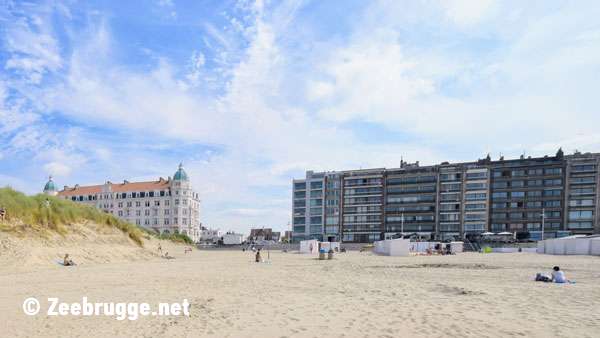
Anyone coming here comes for a beach the way a beach should be: pure, clean and above all spacious.
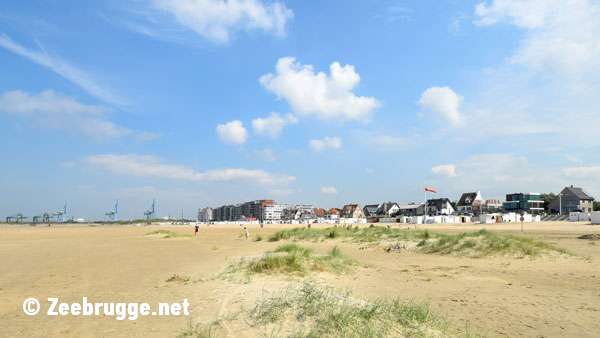
Endlessly wide: the sandy beach at Zeebrugge is officially the largest on the Belgian coast, with a dike taller than a person behind it. Everyone finds their spot here.
Rarely crowded: unlike its neighbours, this beach is only occasionally really busy, so you never have to hunt for a place on the sand.
Free parking: Zeebrugge is the only coastal town where parking is free throughout the town, a difference you notice at once in high season.
In winter too: all year round you can take wonderful beach walks here. When the wind really blows, the waves and the sea put on a fascinating show.
The fish capital of Belgium
As the country's largest fishing port, everything in Zeebrugge revolves around what came in that morning.
A legendary reputation: the fish market and the countless fish restaurants are known far beyond the region. If you like saltwater fish, this is the place for you.
Straight from the source: the town has many traditional fishmongers where you buy fresher than anywhere else. The fish auction itself moved to the rear harbour, where it supplied a whole cluster of fish-processing businesses.
On your plate: sole, turbot, mussels, shrimp or a generous seafood platter: here the menu follows the catch, not the other way round.
The shrimp croquette: the benchmark of every coastal brasserie, and in Belgium's fish capital the bar is naturally set that bit higher.
The port
Zeebrugge is the only Belgian resort where you watch a world port at work, and that is a spectacle in itself.
A world port: Zeebrugge is one of Europe's most important seaports, united with Antwerp since 2022 under the name Port of Antwerp-Bruges. You can watch the container giants glide past from the beach.
Cruise ships: the cruise terminal regularly welcomes luxury cruise ships, for which Zeebrugge is the gateway to Bruges.
Freight to England: the last passenger ferry to England disappeared in 2021, but cargo ships still sail towards Britain and Ireland. Travellers now cross via Dunkirk, Calais or Hook of Holland.
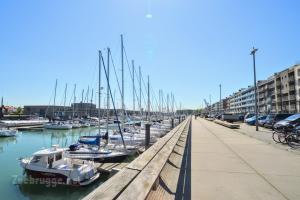
The marina: the well-appointed marina has berths for around a hundred yachts and makes a fine spot for a walk along the pontoons.
The town
Zeebrugge is no ordinary resort, but a part of Bruges standing with both feet in the water.
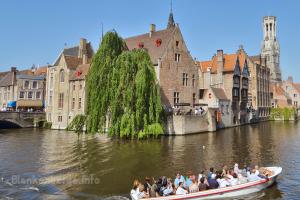
Linked to the mother city: a canal of twelve kilometres, the Boudewijnkanaal, connects Zeebrugge with monumental Bruges. Along that canal you can walk and cycle to your heart's content.
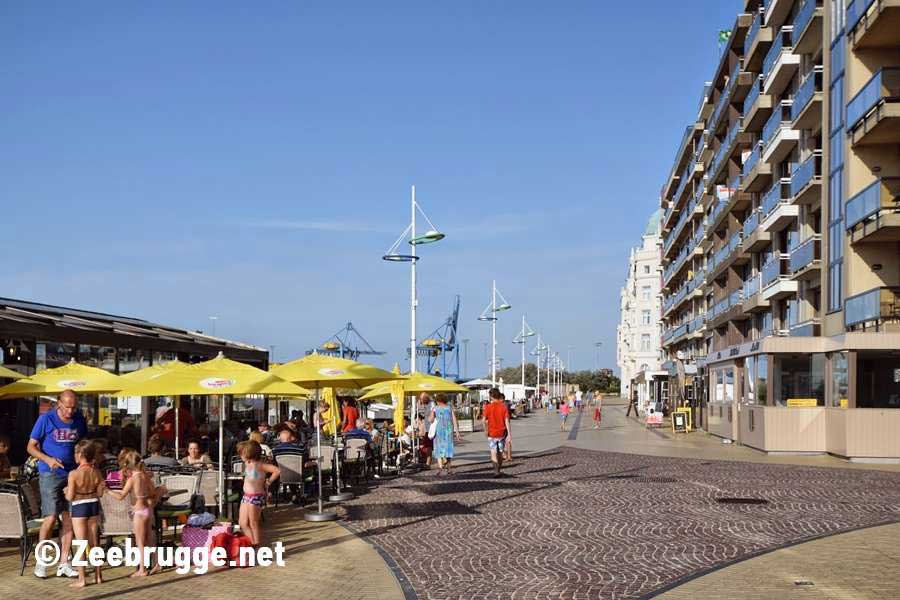
Holiday mood on the Zeedijk: along the Zeedijk there is a friendly, informal atmosphere, with hotels and bars where visitors are warmly welcomed.
Beach and world port side by side: that harmonious combination of a sweeping child-friendly beach and a port of global scale makes Zeebrugge unique on this coast.
An eye on the future: the port is constantly being built and extended, reaching far out into the North Sea. For the beachgoer nothing changes: the family beach simply stays the family beach.
Sights
The offering is modest, but what is there comes with a real story.
The old fish auction hall: the Seafront maritime theme park closed its doors, but the buildings of the old fish auction hall gained a second life as a leisure destination with food, shops and a promenade along the marina.
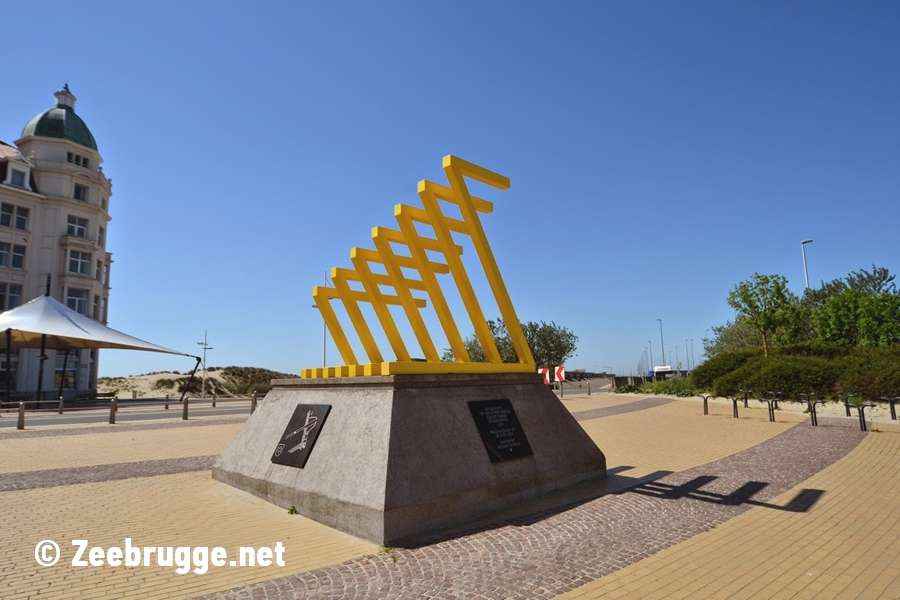
The Zeebrugge Raid: in April 1918 the British navy launched a daring attack here to block the harbour mouth. Monuments and a commemorative walk still recall that history.
Lissewege: a stone's throw away lies this picturesque white polder village, with its striking brick church tower and the barn of Ter Doest abbey. One of the loveliest villages in Flanders.
More to discover: the area also has museums, monuments and windmills, ideal for a day when the weather is less kind.
With children in Zeebrugge
For families Zeebrugge is a find: space in abundance and free parking right by the sand.
The biggest beach: on this enormous, flat beach children can let loose with sandcastles, kites and paddling, without you having to step over anyone else's towel.
Spotting ships: few children forget the sight of a container giant or a cruise ship entering the harbour. Bring an ice cream and an hour passes in no time.
Out on the water:boat trips leave from the harbour, letting you see the port from the water for once.
Explore the surroundings
Zeebrugge's location may well be its greatest asset: everything here is just round the corner.
Bruges in twenty minutes: the UNESCO heritage of Bruges lies at the end of the canal, easily reached by train or car.
Knokke round the corner: elegant Knokke-Heist is a few kilometres away, as is the Zwin nature reserve, the international airport of the birds.
By coastal tram: the coastal tram, the longest tram line in the world, stops in Zeebrugge and takes you car-free past every resort as far as De Panne.
Across the border: the Dutch region of Zeeuws-Vlaanderen is close by and more than worth a visit, with the fortified town of Sluis as the classic outing.
Staying in Zeebrugge
Anyone staying here is choosing calm, space and a base with the harbour on the doorstep.
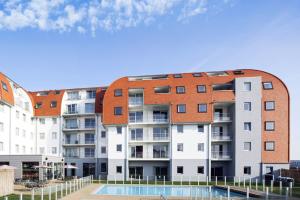
Apartments by the sea: the most popular choice on the Flemish coast. An apartment on the dike means waking up to a view of the surf and the ships.
Holiday homes: anyone coming with the family or a larger group has plenty of room in a holiday home, often with a garden and within walking distance of the beach.
Hotels and B&Bs: from a cosy bed and breakfast to a well-appointed hotel, handy if you are boarding a cruise ship early in the morning.
Booked well: have a look at the last minutes too for a good deal, because outside high season there is plenty to be had here.
Practical information
A few things are handy to know before you set off for the coast.
Getting there: Zeebrugge is easily reached by car via the E40 towards Bruges and then the N31 to the coast. From the Netherlands you drive via Antwerp and Bruges in around an hour and a half to two hours.
By train: Zeebrugge has its own station on the line from Bruges, with a stop close to the beach. The coastal tram stops here too.
Free parking: you can park free of charge throughout the town, unique on the Belgian coast and a real plus in summer.
Best time to visit: July and August are the warmest, but this beach is at its finest out of season. A winter walk with the waves in your face is an experience here.